Leaving the hospital feels like good news, and it is. But the first few days at home can be the shakiest part. You’re tired. Your medications may have changed. You have a folder of papers, a list of follow-up appointments, and nobody on hand to explain it all.
I’m Kate, a family nurse practitioner, and I provide post-discharge care at home across the North Shore. I pick up where the hospital stopped: I check how you’re doing, make sense of your instructions, and stay with you through the early days of getting back on your feet.

In the hospital, someone is always nearby to notice a change. At home, that job falls to you and your family. A little more swelling, a new cough, dizziness when you stand, a pill that’s different from the one in your cabinet: these are easy to brush off, and they’re exactly the things worth catching early.
A hospital stay can also change your medications, your diet, and what you’re able to do. That’s a lot of new information to take in while you’re worn out. You shouldn’t have to sort through it by yourself.

I start by asking how you’re feeling and how the first days have gone. Then I check your vital signs and look at whatever your discharge instructions say to watch for, like swelling, breathing, weight changes, or how you’re moving around.
Next I go through every medication, because a hospital stay often adds, stops, or changes them. I compare your discharge list to the bottles in your home so we can see what’s new, what’s changed, and what should no longer be there. If anything doesn’t add up, I contact the doctor involved.
I also look at your follow-up appointments and tests, so none of them get missed. You leave each visit knowing what to do next and what to watch for.
Follow-up health checks

Medication review after hospital changes
Watching your symptoms closely

Staying in touch with your providers
Just home and not sure where to start? Call me at 617-299-9590.
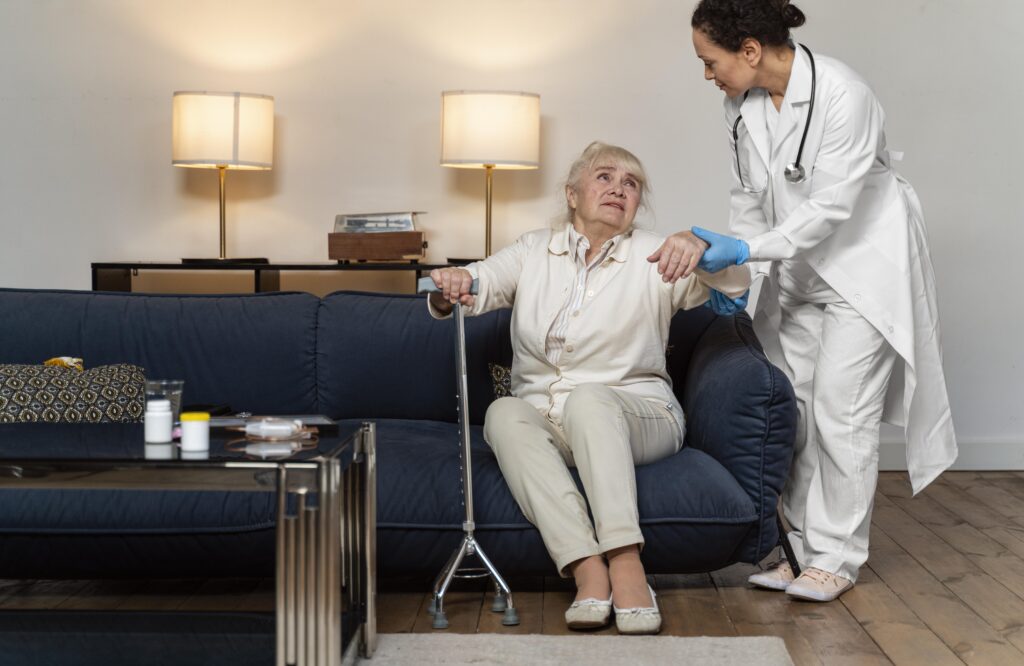
You were just discharged and feel unsure about the next steps

Your medications changed during your hospital stay

You live alone, or family can’t be with you all day

I’m not here to replace your hospital team, your primary care provider, or your specialists. I work alongside them. After each visit I pass along what I found, including changes in your symptoms, medication questions, and anything that needs their attention.
That means you aren’t left carrying messages between offices. If you see more than one specialist, I help keep their instructions from clashing, and Coordination with Specialists keeps everyone connected.

Post-discharge care is for coming home after any hospital stay, whether it was for an illness, a fall, or a flare-up of a long-term condition. If you’re recovering from a planned operation, Post-Surgical Care is the closer fit. Many people also need help with new prescriptions through Medication Management, and those with a long-term condition may continue with Chronic Disease Management once things settle.

My services are private duty and self-pay. Please call or email for current rates before your first visit. I see patients Monday to Friday from 8 to 6 and Saturday from 10 to 3, at home or by secure video.
It's care at home after a hospital stay. I check your health, review your medications, watch your symptoms, and keep your doctors informed while you get back on your feet.
Call as soon as you know your discharge date, if you can. We'll work out timing together.
Your discharge papers, the medication list from the hospital, and all the bottles you have at home, including anything new.
No. I work alongside your hospital team and doctors, and I help make sure you get to your follow-up visits and tests.
My services are private duty and self-pay. Contact me for current rates.
Call 911 for chest pain, trouble breathing, signs of a stroke such as sudden weakness, face drooping, or slurred speech, fainting, or sudden confusion. For a fever, symptoms that are getting worse, or anything your discharge papers said to report, call your doctor or the hospital right away.


Navigating the healthcare system can often feel confusing and overwhelming, especially when facing a new diagnosis, managing chronic conditions, or recovering from a medical procedure.

