A fever that won’t go away. A minor injury. A symptom that wasn’t there yesterday. Most of the time these aren’t emergencies, but they still need someone to take a look. For many people, especially older adults, the alternative is a long wait at urgent care or the emergency room.
I’m Kate, a family nurse practitioner, and I provide low-risk urgent care visits at home across the North Shore. I come to you, assess what’s going on, and tell you what I think is the best next step.
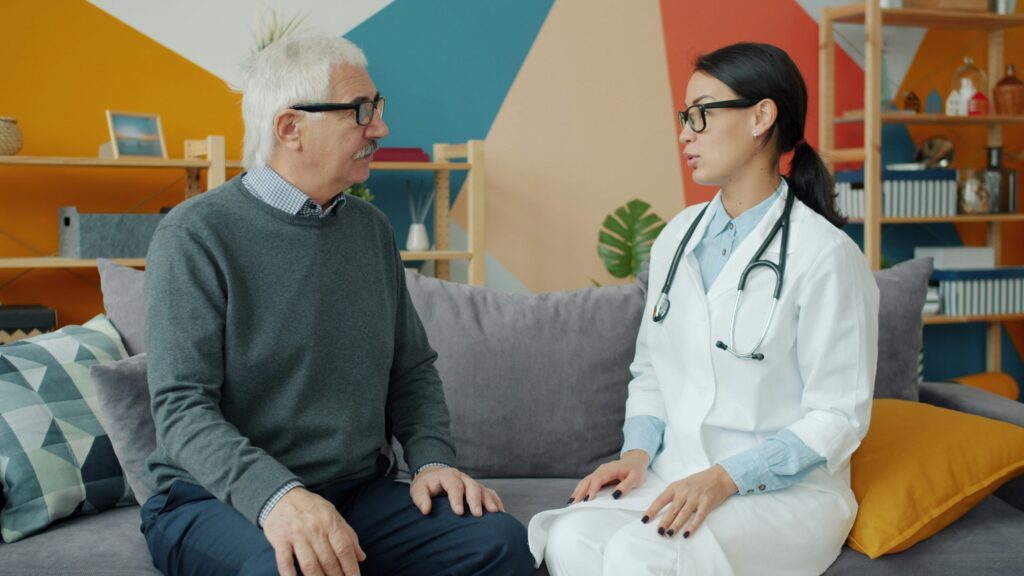
A visit at home can be a good choice when something has come up that needs attention soon but isn’t life-threatening. You’re stable, you’re not in severe pain, and your regular doctor’s office can’t see you quickly.
For someone who is frail, uses a walker, or gets worn out by travel, skipping the car ride and the waiting room matters too. I also stay in touch with your regular doctors, so your treatment plan stays consistent.
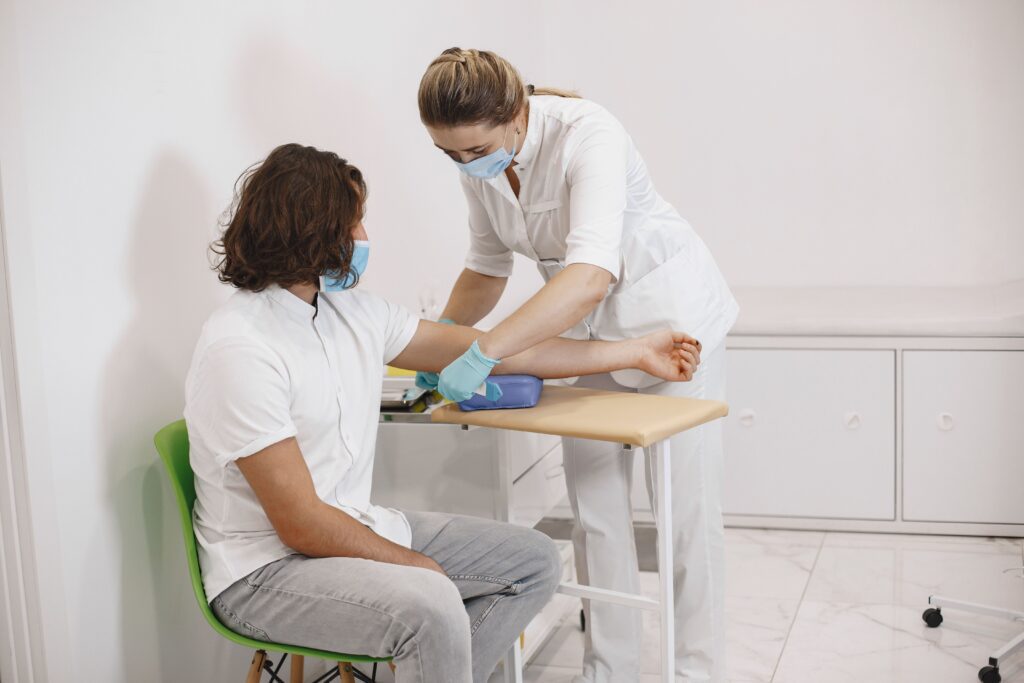
I start by asking what’s going on, when it started, and what has changed. Then I check your vital signs and examine the problem. I also look at your medical history and your medications, because they affect what’s safe and what makes sense for you.
Then I tell you what I think is happening and what I recommend, in plain words. If it’s something I can handle at home, we make a plan. If it needs more than a home visit, such as an X-ray or emergency care, I tell you right away and help you get there.
Afterward, I update your regular doctors, so they know what happened and your plan stays on track.

Fevers and common illnesses

Minor injuries

Questions about what to do next
Not sure if it’s low-risk? Call me at 617-299-9590. For anything serious, call 911.
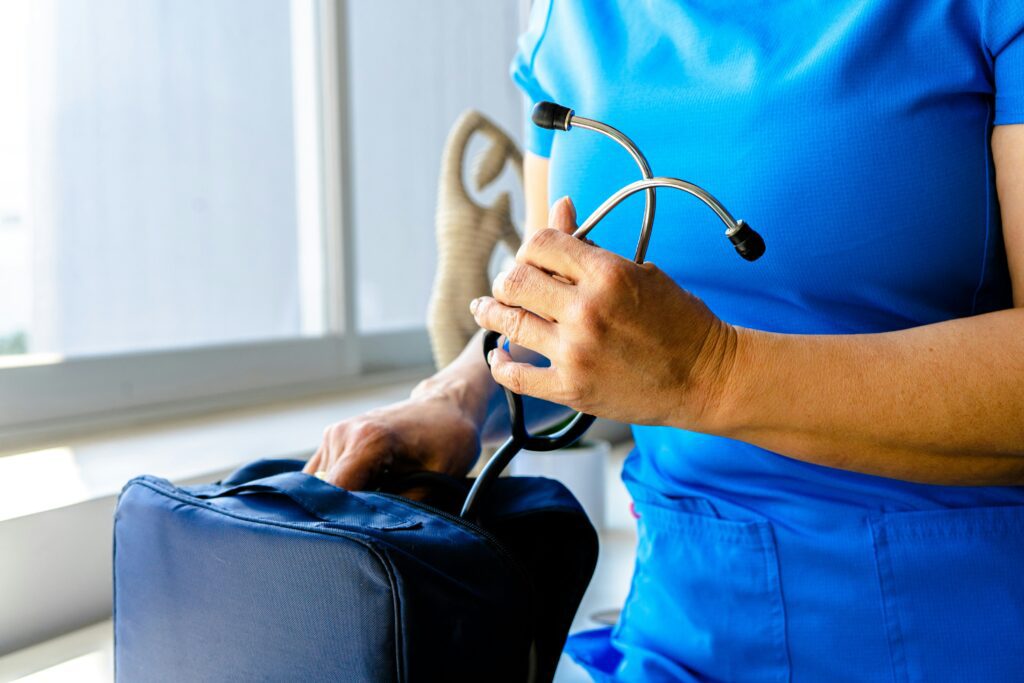
Something new has come up and you can’t get a quick appointment
Getting to urgent care or the ER would be hard or exhausting
I’m not here to replace your primary care provider, your specialists, or the emergency room. I work alongside them. After a visit, I let your regular doctors know what I found and what we decided, so your treatment plan stays consistent and safe.
If I think you need a higher level of care than I can give at home, I’ll say so plainly and help you take the next step.

Call 911 right away for chest pain, trouble breathing, signs of a stroke such as sudden weakness, face drooping, or slurred speech, severe bleeding, a serious fall or head injury, or sudden confusion. Home urgent care visits are only for low-risk situations, and when in doubt, it’s always safer to call emergency services first.
If you’d like regular support so small problems get caught earlier, Wellness Visits and Chronic Disease Management help with that.
If your mom or dad isn’t feeling right and you’re not nearby, it’s hard to know what to do. For low-risk concerns, I can visit them at home, check what’s going on, and tell you what I find. With their permission, you can join by secure video, hear it yourself, and ask your own questions.
My services are private duty and self-pay. Please call or email for current rates before your visit. I see patients Monday to Friday from 8 to 6 and Saturday from 10 to 3. Outside those hours, call your doctor’s after-hours line, or 911 in an emergency.
It's a visit in which I come to your home to assess a common, non-emergency concern, such as a fever, a minor injury, or a new symptom, and tell you what I recommend.
Common, low-risk concerns that aren't emergencies. If you're unsure whether yours qualifies, call 617-299-9590.
That depends on my schedule and your situation. Call 617-299-9590 and we'll work it out together.
I'll tell you right away and help you get to the right place, whether that's your doctor, urgent care, or the emergency room.
My services are private duty and self-pay. Contact me for current rates.
Call 911 for chest pain, trouble breathing, signs of a stroke such as sudden weakness, face drooping, or slurred speech, severe bleeding, a serious fall or head injury, or sudden confusion. Home visits are for low-risk situations only.


Navigating the healthcare system can often feel confusing and overwhelming, especially when facing a new diagnosis, managing chronic conditions, or recovering from a medical procedure.

